What is BSEE?
The Bachelor of Science in Electrical Engineering (BSEE) is a four-year engineering degree program designed to prepare students for the practice of electrical engineering in the fields of power generation, transmission, distribution, instrumentation, control systems, electrical machines, renewable energy, and industrial automation. The program equips students with competencies in the analysis, design, operation, maintenance, and management of electrical systems and facilities using scientific and mathematical principles, modern engineering tools, and outcomes-based education approaches.
The program is implemented pursuant to CHED Memorandum Order (CMO) No. 88, series of 2017 entitled “Policies, Standards and Guidelines for the Bachelor of Science in Electrical Engineering (BSEE) Program,” effective Academic Year 2018–2019. The curriculum follows the Outcomes-Based Education (OBE) framework under CHED CMO No. 37, s. 2012 and quality assurance standards under CMO No. 46, s. 2012.
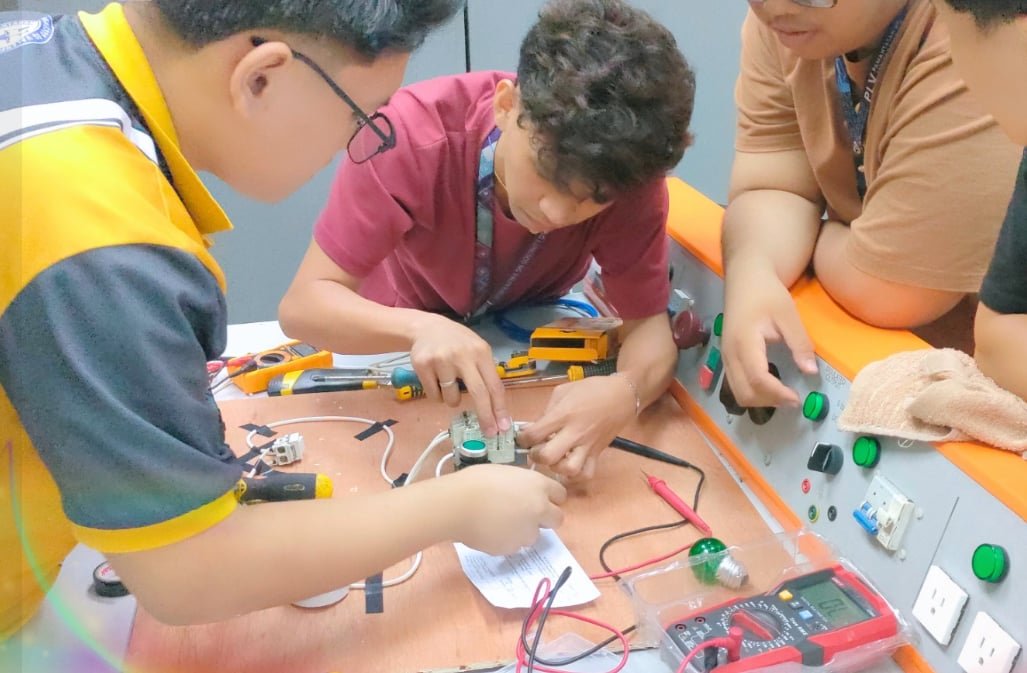
The program includes foundational courses in mathematics, natural sciences, engineering sciences, and professional electrical engineering subjects such as power systems, electrical machines, electrical design, power electronics, control engineering, industrial plants, and electrical safety. Laboratory experimentation, research, practicum, and capstone design are integral parts of the curriculum.
Graduates of the program are qualified to take the Electrical Engineer Licensure Examination administered by the Professional Regulation Commission (PRC). Career opportunities include electrical design engineer, power systems engineer, plant engineer, maintenance engineer, energy auditor, control systems engineer, electrical consultant, academe practitioner, and positions in electric utilities, manufacturing industries, construction firms, and government agencies.