What is BSECE?
The Bachelor of Science in Electronics Engineering (BSECE) is a four-year engineering program that prepares students for professional practice in the areas of electronics, telecommunications, information and communications technology, embedded systems, automation, instrumentation, robotics, microelectronics, and signal processing. The program develops competencies in the design, analysis, development, testing, installation, and maintenance of electronic systems and communication networks.
The program is offered in accordance with CHED Memorandum Order (CMO) No. 101, series of 2017 entitled “Policies, Standards and Guidelines for the Bachelor of Science in Electronics Engineering (BSECE) Program,” effective Academic Year 2018–2019. The curriculum adopts Outcomes-Based Education (OBE) and typology-based quality assurance systems prescribed under CHED policies.
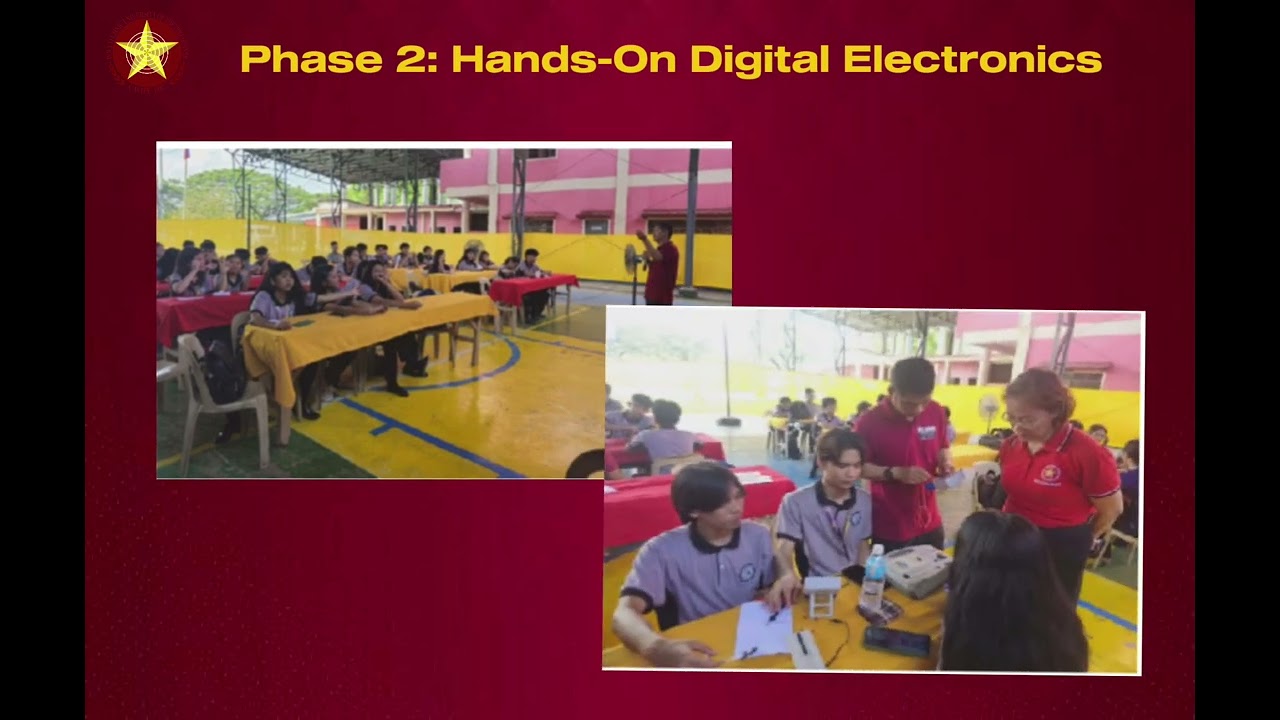
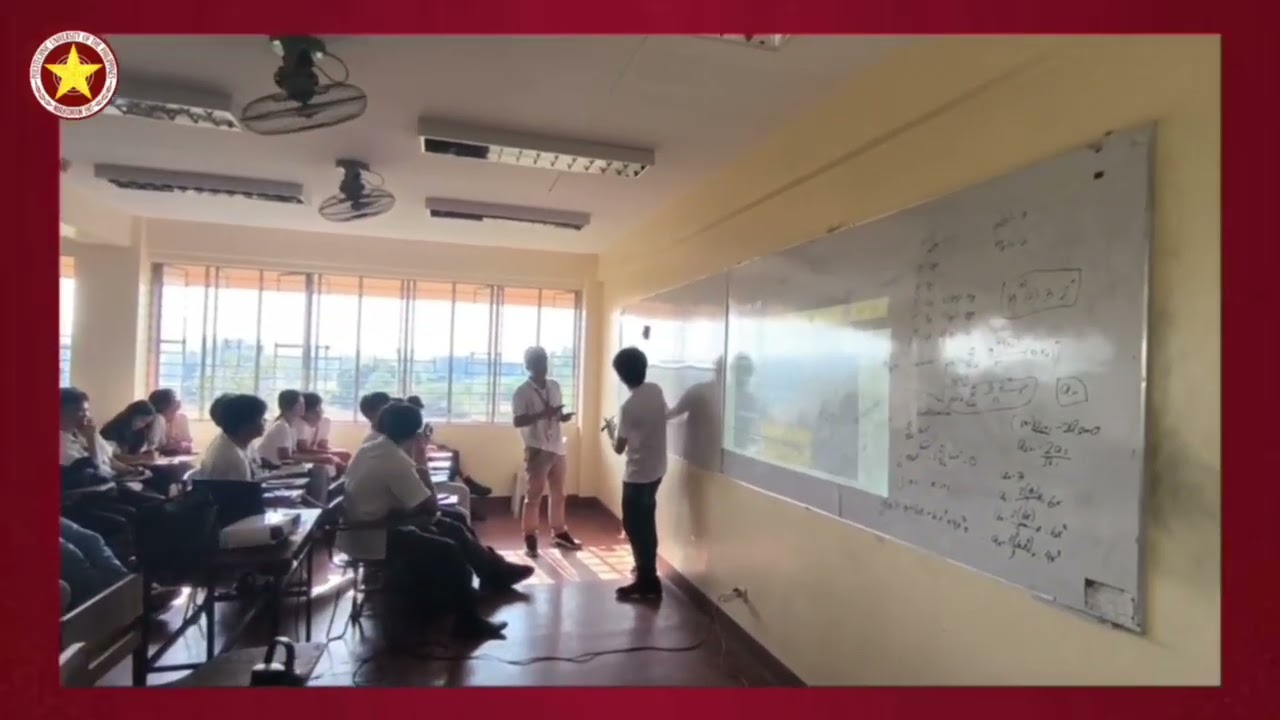
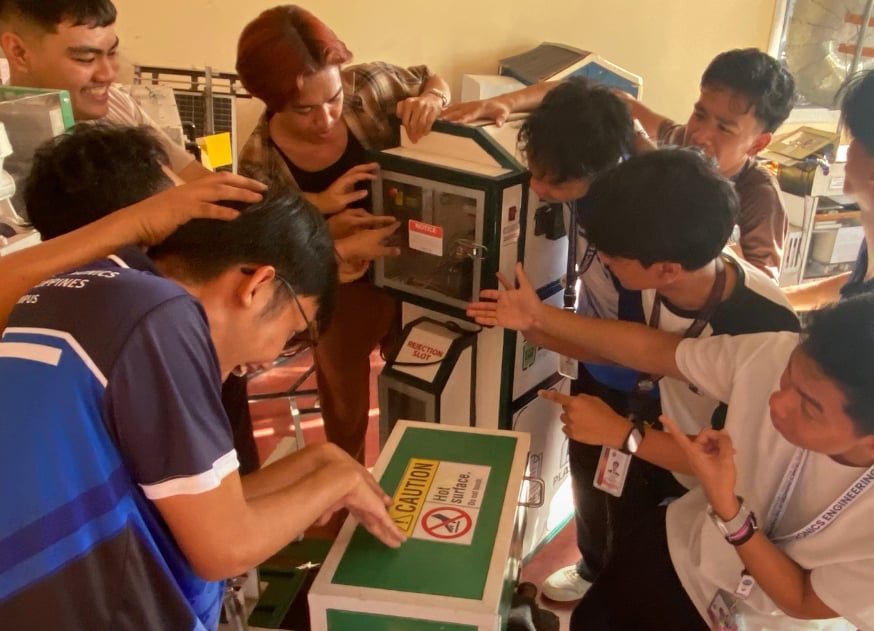
The curriculum covers courses in electronic circuits, communications systems, computer programming, microprocessors, digital systems, instrumentation and control, signal processing, data communications, industrial electronics, and emerging technologies. Students are also trained through laboratory activities, industry immersion, research, and capstone projects to develop innovation and problem-solving skills.
Graduates of the program are eligible to take the Electronics Engineer Licensure Examination and Electronics Technician Licensure Examination administered by the PRC. Employment opportunities include electronics engineer, telecommunications engineer, systems engineer, network engineer, automation specialist, instrumentation engineer, broadcast engineer, semiconductor engineer, ICT specialist, and research and development practitioner in various industries locally and internationally.